Afraid of Making a Mistake on Your Canada Immigration Application?

Learn How Thousands of Applicants Successfully Immigrate to Canada Without Paying $10,000

Free Canada Immigration Preparation Checklist

Download the step-by-step Canada immigration checklist showing how successful applicants prepare their Express Entry application, organize proof of funds documents, and prepare their immigration paperwork before applying for permanent residence.

Understand the step-by-step Canada immigration process

Every year thousands of skilled workers immigrate to Canada through programs such as Express Entry Canada and Provincial Nominee Programs (PNP).

But many applicants feel overwhelmed by the process and worry about making mistakes that could delay or reject their immigration application.

Canada Immigration DIY was created to help applicants understand the Canada immigration process, prepare their Canada PR application, and avoid the most common immigration mistakes before submitting their application.

Common concerns include:

• Choosing the correct Canada immigration pathway
• Understanding CRS score requirements
• Preparing immigration documentation correctly
• Meeting proof of funds Canada settlement requirements
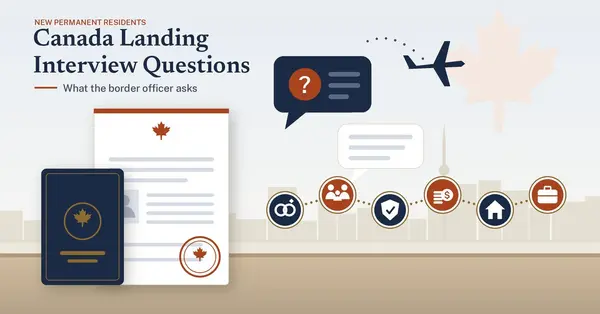
• Knowing what to expect when landing in Canada

Where Are You in Your Canada Immigration Journey?

Choose the option that best describes your situation so you can get the right guidance for your Canada immigration pathway.

Find Your Best Canada Immigration Pathway

Learn the most common Canada immigration pathways that may lead to permanent residence.

Understanding the Canada immigration requirements is the first step in planning your immigration strategy.

Improve Your Express Entry Strategy

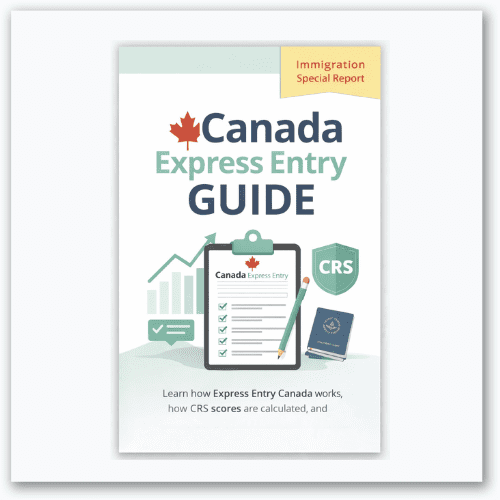
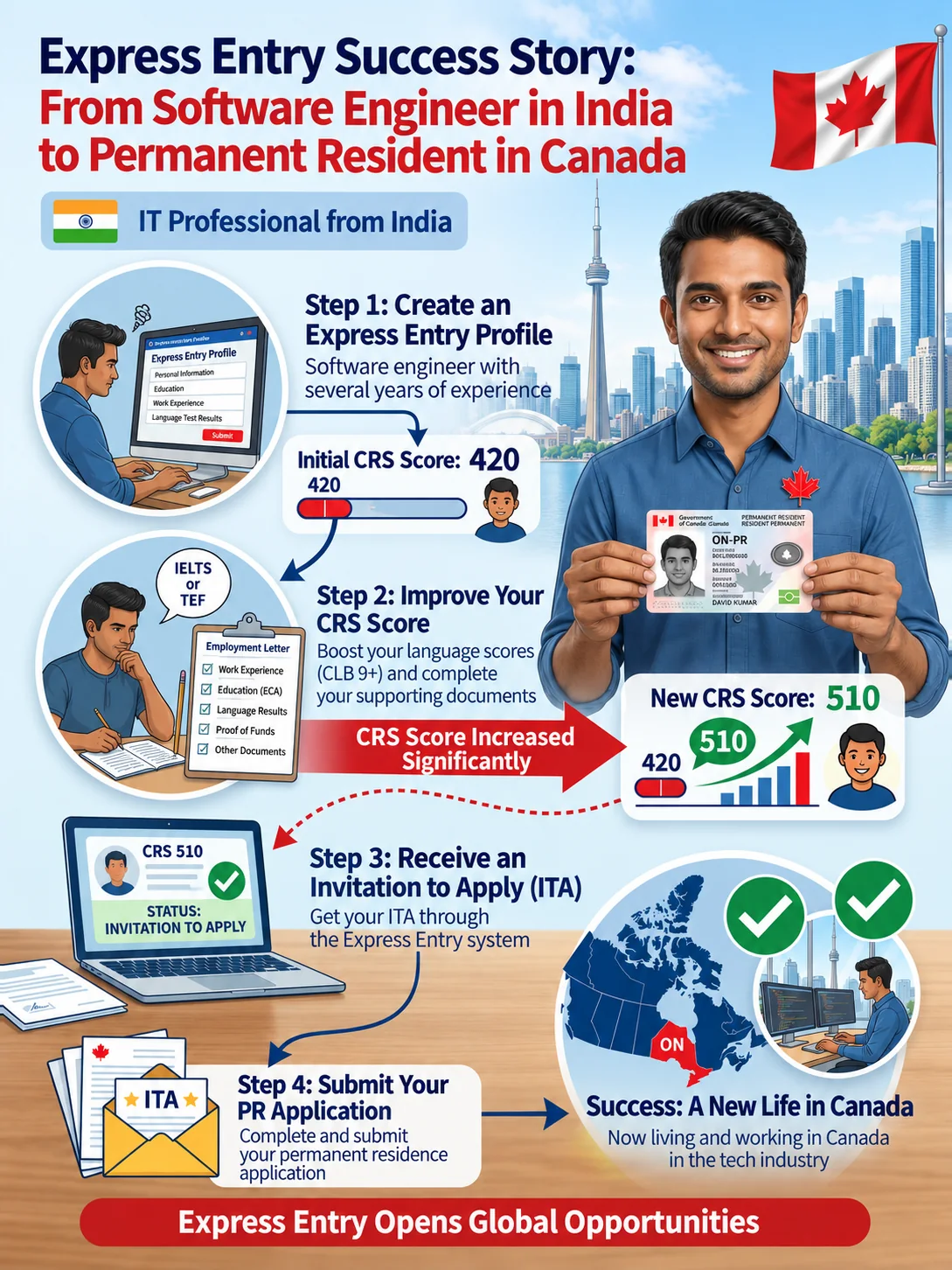
Understand how Express Entry Canada works, how to calculate your CRS score, and how to prepare the documents required for a Canada PR application.

Avoid Costly Immigration Application Mistakes

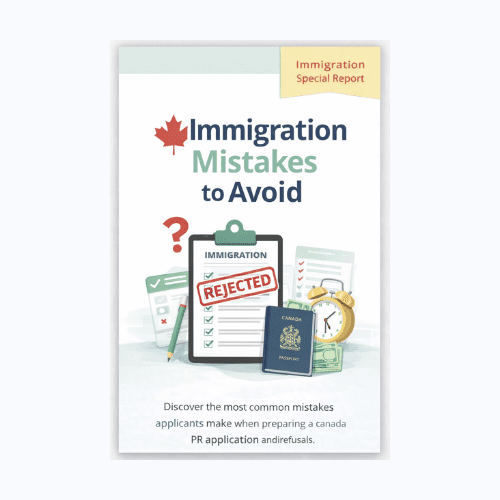
Avoid the most common mistakes that cause Canada PR applications to be rejected, including document errors, incorrect NOC classifications, and incomplete documentation.

Prepare for Your First Days in Canada

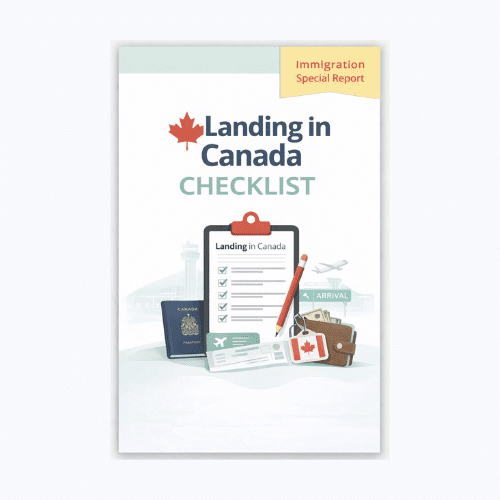
Learn what happens when you land in Canada as a permanent resident, including immigration interviews, declaring funds, and preparing for your first 30 days after moving to Canada.

Why Many Canada Immigration Applications Get Delayed or Rejected

Canada has one of the most structured immigration systems in the world.

Programs such as Express Entry Canada, Provincial Nominee Programs, and employer-supported work permits allow thousands of skilled workers to immigrate to Canada every year.

Immigrate to Canada

However, many applications face delays or refusals because applicants misunderstand important requirements such as:

• Canada immigration eligibility rules
• CRS score competitiveness
• documentation standards required by IRCC
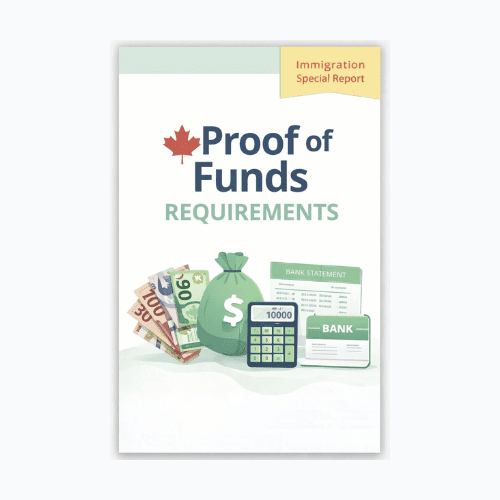
• proof of funds Canada requirements
• immigration timelines and processing stages

Canada Immigration DIY provides educational resources and planning tools designed to help applicants understand the immigration system and prepare their application with confidence.

With the right preparation you can:

Understand Canada immigration requirements before applying

Prepare your Express Entry Canada application step-by-step

Learn how CRS scores affect Express Entry invitations

Understand proof of funds Canada settlement requirements

Avoid common immigration application mistakes

Prepare for landing in Canada

The Step-by-Step Canada Immigration Process

10 Questions People Ask Immigration Consultants

1. Am I eligible to immigrate to Canada?

Eligibility for Canada immigration usually depends on factors such as education, work experience, language ability, age, and adaptability. Many applicants qualify through programs like Express Entry or Provincial Nominee Programs (PNP). The first step is evaluating your eligibility and estimating your CRS score to determine whether you meet the requirements for Canadian permanent residence.

2. AmWhat is Express Entry and how does it work?I eligible to immigrate to Canada?

Express Entry is Canada’s online system used to manage immigration applications for skilled workers. Candidates create a profile and receive a Comprehensive Ranking System (CRS) score based on factors such as education, language test results, and work experience. Immigration authorities regularly invite the highest-ranking candidates to apply for permanent residence in Canada.

3. How long does the immigration process take?

The timeline depends on the immigration program and the completeness of your application. For many Express Entry applications, processing may take around six months after submission of the permanent residence application. However, preparation steps such as language testing and document collection can add several months before entering the system.

4. How much proof of funds do I need?

Applicants applying through programs like the Federal Skilled Worker Program must demonstrate settlement funds to support themselves in Canada. The required amount depends on family size and is updated annually by the Canadian government. For example, a single applicant typically needs approximately $13,000 CAD or more in available settlement funds.

5. What documents are required for Canada PR?

Most permanent residence applications require documents such as language test results, educational credential assessments, employment reference letters, police clearance certificates, medical examinations, and proof of funds documentation. Preparing these documents correctly is essential to avoid delays or refusals.

6. Can I apply without an immigration lawyer?

Yes. Many applicants successfully submit immigration applications themselves. Canada’s immigration system provides publicly available guidelines and application instructions. However, applicants should carefully understand eligibility requirements, documentation standards, and immigration program rules before submitting their application.

7. What CRS score is required for Express Entry?

The minimum CRS score required for Express Entry varies depending on immigration draw results. In recent years, general draws have often required scores in the high 400s, although category-based draws and provincial nominations may allow lower scores. Monitoring draw trends helps applicants evaluate their competitiveness.

8. What happens if my application is rejected?

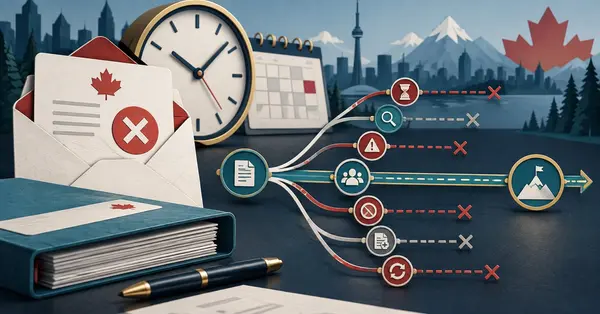
If a Canada immigration application is refused, the applicant receives a refusal letter explaining the reason for rejection. In many cases, applicants may correct the issue and reapply, particularly if the refusal was due to incomplete documentation or eligibility misunderstandings.

9. Can I work in Canada while applying for permanent residence?

Some applicants can work in Canada while waiting for permanent residence if they hold a valid work permit. Programs such as the Canadian Experience Class allow workers with Canadian work experience to later apply for permanent residence through Express Entry.

10. What happens when I land in Canada?

When you arrive in Canada as a permanent resident, you will complete a landing process with an immigration officer who verifies your documents and confirms your status. After landing, you can apply for a Social Insurance Number (SIN), open a bank account, and begin settling in Canada.

10 Questions Most Applicants Don’t Know to Ask

1. Which immigration pathway is best for my profile?

The best pathway depends on factors such as your education, professional experience, language ability, and long-term goals. Common pathways include Express Entry, Provincial Nominee Programs, employer-supported immigration, and work permits leading to permanent residence.

2. What are the most common mistakes in PR applications?

Common mistakes include incorrect NOC classification, incomplete employment documentation, inconsistent information between forms and supporting documents, and misunderstanding proof of funds requirements. These errors can cause delays or refusals.

3. How can I improve my CRS score before submitting?

Applicants can improve their CRS score by increasing language test scores, gaining additional work experience, obtaining higher education credentials, securing a provincial nomination, or receiving a qualifying Canadian job offer.

4. What documents cause the most immigration rejections?

The documents most frequently causing issues include employment verification letters, proof of funds statements, police certificates, and education assessments. Incomplete or incorrectly formatted documentation often leads to requests for additional information.

5. How should proof of funds be documented?

Proof of funds typically requires official bank letters or statements showing account balances and a six-month transaction history. The funds must be readily available and transferable to Canada.

6. What immigration programs may open in the future?

Canada periodically introduces new immigration streams targeting specific occupations, industries, or regional labor shortages. Monitoring immigration policy updates and provincial programs can help applicants identify emerging opportunities.

7. What backup options exist if Express Entry fails?

Applicants with low CRS scores may consider Provincial Nominee Programs, employer-supported work permits, Canadian education pathways, or temporary work permits that later lead to permanent residence.

8. What should I prepare before landing in Canada?

Before arriving in Canada, applicants should prepare travel documents, proof of funds, settlement plans, housing arrangements, and important records such as education and employment documentation.

9. What timeline risks should I be aware of?

Immigration timelines may be affected by document processing delays, background checks, medical examinations, and immigration policy changes. Planning ahead helps avoid unexpected delays.

10. What should I do if my immigration situation changes?

If circumstances change, such as employment, marital status, or family composition, applicants should update their immigration profile and ensure that their application information remains accurate and consistent.

  • Post Graduate Work Permit: 5 Critical PGWP Rules to Know

    The post graduate work permit is one of the most valuable immigration benefits available to international students in Canada – and one of the most easily lost through avoidable mistakes. A PGWP gives eligible graduates the right to work for any employer in Canada for up to three years, providing the Canadian work experience that…

  • Open Work Permit Canada: 5 Critical Eligibility Rules to Know

    An open work permit Canada authorization gives you the freedom to work for any employer in Canada without being tied to a specific job offer or a specific employer. This flexibility makes open work permits among the most sought-after forms of Canadian work authorization – but they are also among the most misunderstood. Open work…

  • LMIA Work Permit Canada: 5 Critical Facts Applicants Must Know

    An LMIA work permit Canada application involves two distinct processes happening in sequence – the employer’s Labour Market Impact Assessment and your work permit application – and most applicants only understand the second half. The LMIA is the employer’s responsibility, but its outcome directly determines whether your work permit application succeeds or fails. Understanding how…

  • Work Permit Canada Requirements: 5 Critical Things You Must Know

    Work permit Canada requirements are more varied and more nuanced than most applicants expect. Canada issues multiple types of work permits, each with its own eligibility criteria, employer obligations, and application process. Applying for the wrong type of work permit – or applying without understanding which requirements apply to your situation – results in refusals,…

  • British Columbia PNP Requirements: 5 Critical BC PNP Stream Facts

    British Columbia PNP requirements differ from every other provincial nominee program in Canada in one fundamental way: BC uses a points-based registration system rather than a direct application model for most of its streams. Understanding how this system works is the prerequisite for any applicant targeting the BC PNP. Applying without understanding the registration points…

  • Ontario PNP Requirements: 5 Critical Steps to Get Your Nomination

    Ontario PNP requirements determine access to the largest provincial nomination program in Canada by volume. The Ontario Immigrant Nominee Program OINP nominates more candidates annually than any other province, but high volume does not mean easy access. OINP streams are competitive, eligibility criteria are specific, and the application process requires careful preparation at every stage.…

Real Stories From People Who Successfully Immigrated to Canada

Every year thousands of applicants successfully immigrate to Canada through programs such as Express Entry Canada and Provincial Nominee Programs.

Read real stories from applicants who navigated the Canada immigration process and successfully moved to Canada.

Raj, India

From Engineer to PR

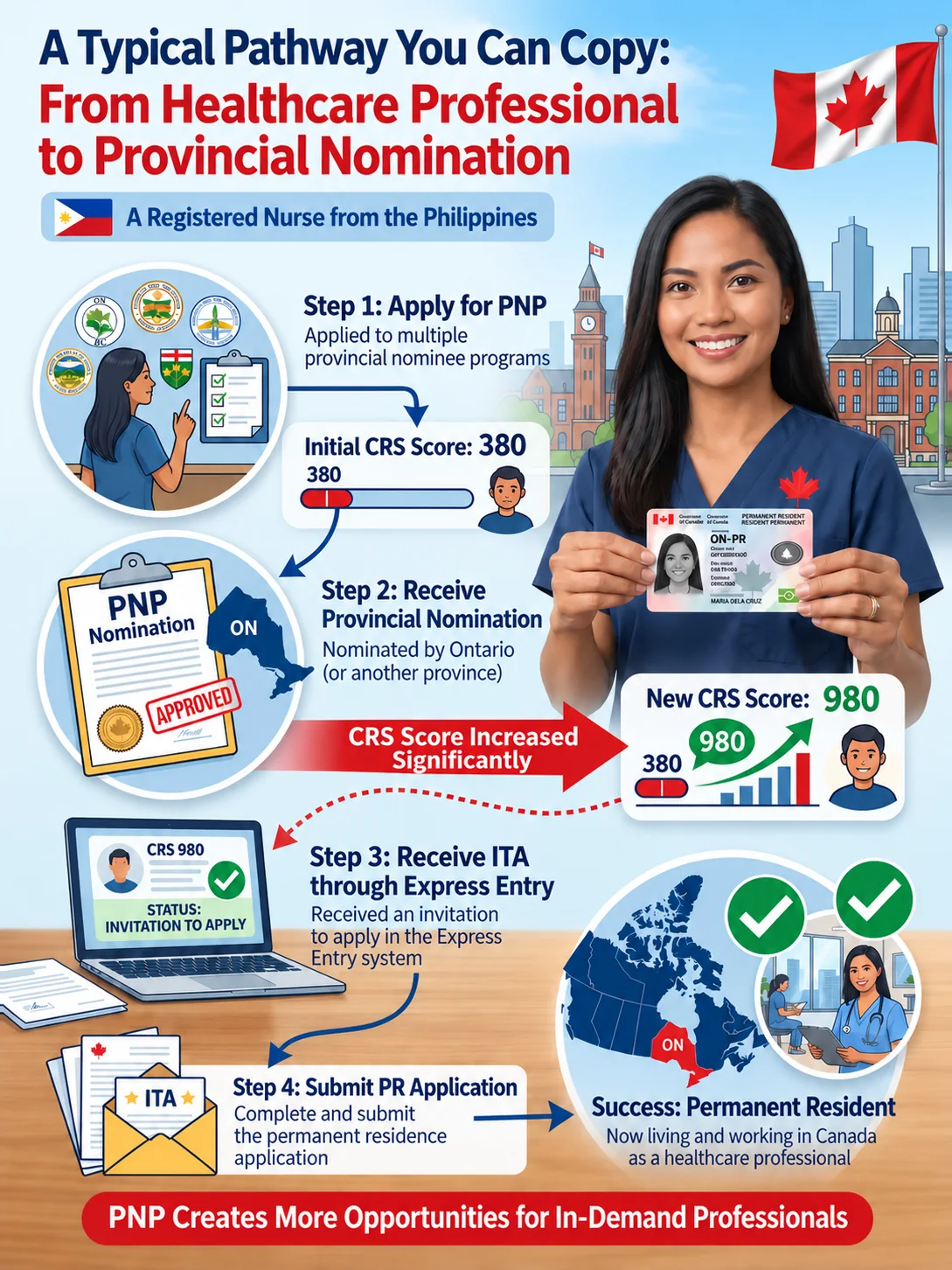
Maria, Philippines

PNP Pathway

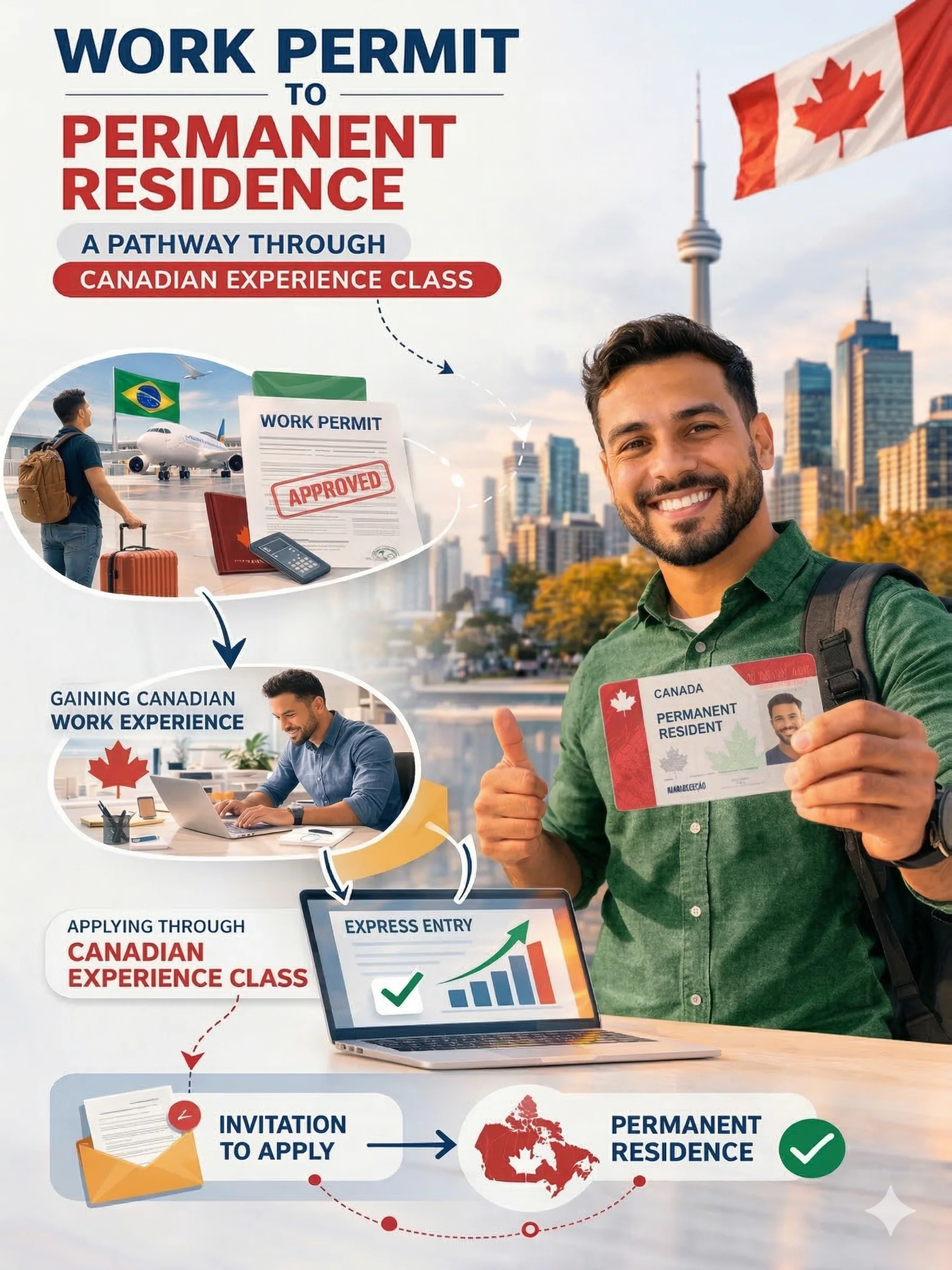
Daniel, Brazil

Work Permit to PR

Start Your Canada Immigration Journey Today

Choose the next step that fits where you are in your immigration journey.